
Introduction
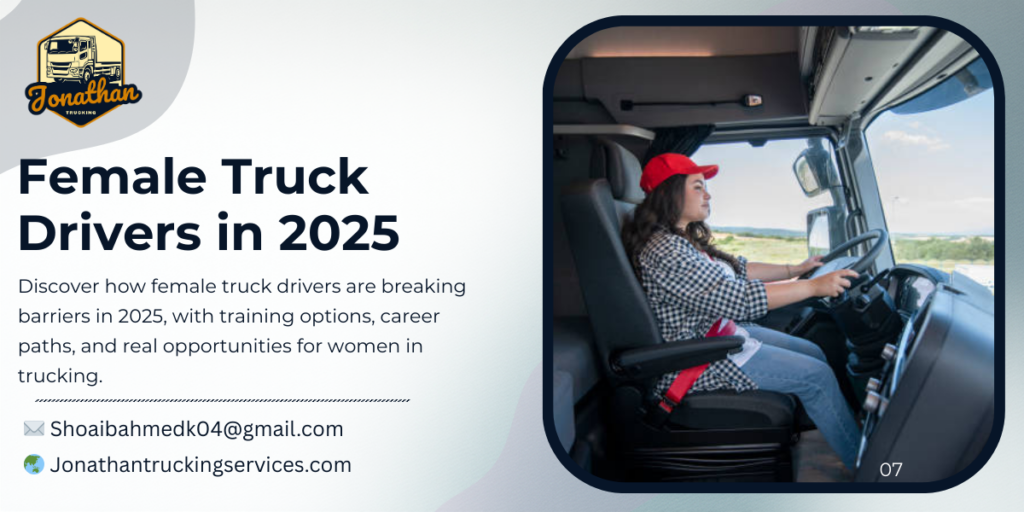
The trucking industry is changing fast. For decades, it was seen as a male-only field. That idea no longer holds. More women are stepping into the driver’s seat, proving skill matters more than gender. Female truck drivers are now visible across highways, logistics hubs, and long-haul routes worldwide. Their presence is not a trend. It is a shift.
In 2025, trucking companies, training schools, and governments are opening doors wider than ever. Better safety standards, flexible schedules, and focused training programs have made truck driving more accessible. At the same time, women are challenging old stereotypes and building stable, well-paid careers. This article explains how women are reshaping trucking, what opportunities exist, and what challenges still remain.
The Rise of Women in the Trucking Industry
The number of female truck drivers has steadily grown over the past decade. Industry reports show consistent increases, especially in long-haul and regional transport. Labor shortages have also pushed companies to recruit beyond traditional pools.
But growth is not only about demand. Social attitudes are shifting. Families, schools, and employers are more supportive of non-traditional career paths for women. Media coverage now highlights success stories rather than questioning capability. As a result, truck driving for women is seen as practical, not unusual.
Technology also plays a role. Modern trucks are easier to handle. Automatic transmissions, improved braking systems, and advanced navigation tools reduce physical strain. These changes help level the field and allow more women to enter with confidence.
Can Women Be Truck Drivers?
This question still appears online, but the answer is simple. Yes. Women can and do succeed in this field. Driving a truck requires focus, patience, safety awareness, and responsibility. These are learned skills, not gender-based traits.
Many studies show that women often have strong safety records. Insurance data in several regions suggests fewer high-risk driving behaviors among women. That makes them valuable assets to transport companies.
The idea that strength is the main requirement is outdated. Modern trucking relies more on planning, compliance, and route management. For anyone asking, can women be truck drivers, the real question should be whether the industry is ready to support them properly.
Why More Women Are Choosing Trucking
There are clear reasons why women are entering trucking at higher rates.
First, pay stability. Truck driving offers steady income without requiring a university degree. For women seeking financial independence, this matters.
Second, demand. Logistics keeps growing due to e-commerce and global trade. Skilled drivers are always needed. This creates job security.
Third, independence. Many women value working alone, managing their time, and traveling. Being a lady trucker often means freedom from office politics and fixed desks.
Fourth, career paths. Drivers can move into fleet management, training, safety roles, or owner-operator positions over time.
These factors make trucking a realistic and attractive choice, especially for those seeking long-term growth.
Truck Driving for Women: Training and Entry Paths
Getting started requires proper training. Truck driving for women usually begins with a certified driving school or company-sponsored program. These courses teach vehicle control, road safety, cargo handling, and legal compliance.
Many countries now offer a truck driver learnership for women. These programs combine classroom instruction with paid on-road experience. They reduce financial barriers and help new drivers gain confidence.
Some training centers also provide women-only classes. These focus on comfort, peer support, and skill-building without pressure. While mixed classes work well for many, women-focused options help attract beginners who may feel hesitant.
Mentorship is another key factor. Experienced female truck drivers often guide newcomers through licensing, route selection, and work-life balance.
Life on the Road as a Lady Truck Driver
Daily life varies based on route type. Long-haul drivers spend days or weeks on the road. Regional drivers return home more often. Local drivers may work regular shifts.
A lady truck driver must plan routes, check vehicle safety, manage fuel, and meet delivery deadlines. Time management is essential. So is rest. Regulations around driving hours protect drivers and improve safety.
Living on the road requires adjustment. Many women personalize their truck cabs for comfort. Small routines help maintain health, such as stretching, meal planning, and regular communication with family.
Despite challenges, many women report high job satisfaction. They enjoy the responsibility and the sense of achievement that comes with mastering a large vehicle.
Safety Concerns and How Women Handle Them
Safety is a common concern, especially for new drivers. Companies are responding with better systems. GPS tracking, emergency support lines, and secure rest areas are more common in 2025.
Women are also proactive. Many female truck drivers plan stops carefully and stay connected through driver networks. Online communities allow sharing of safe routes, parking locations, and advice.
Self-awareness and training matter. Defensive driving, situational awareness, and clear communication reduce risks. While concerns exist, they are manageable with the right support.
Workplace Challenges and Real Progress
Bias has not disappeared. Some women still face skepticism or unfair treatment. However, progress is real. Many companies now enforce zero-tolerance policies for harassment.
Facilities are improving too. More truck stops offer clean restrooms and secure parking. Uniforms and safety gear are available in sizes that fit women properly.
Leadership representation is growing. As more female truck drivers move into training and management roles, workplace culture improves further. Change takes time, but the direction is clear.
The Role of Lady Truckers in Solving Driver Shortages
The global driver shortage remains a major issue. Women are a key part of the solution. Recruiting and retaining women expands the talent pool without lowering standards.
Companies that invest in inclusive policies see better retention. Flexible scheduling, family leave, and health support benefit all drivers, not just women.
A professional lady trucker brings reliability, safety awareness, and long-term commitment. These qualities help stabilize fleets and reduce turnover.
Truck Driver Learnership for Women: A Closer Look
Learnership programs deserve special attention. A truck driver learnership for women often includes tuition coverage, stipends, and guaranteed job placement.
These programs target women from diverse backgrounds, including career changers and single parents. By reducing upfront costs, they remove one of the biggest entry barriers.
Graduates leave with licenses, experience, and employment options. For many, this path transforms financial prospects within a year.
Governments and private firms continue to expand these initiatives in 2025, recognizing their impact on workforce development.
Technology and the Future of Female Truck Drivers
Technology will shape the next phase of trucking. Advanced driver-assistance systems improve safety. Route optimization software reduces stress and fuel use.
Electric and hybrid trucks are entering fleets. These vehicles are quieter and easier to operate. That change may attract even more women.
Automation will not eliminate drivers soon. Instead, it will shift focus toward supervision and logistics management. Female truck drivers who adapt to tech will have strong career longevity.
Public Perception and Media Representation
Visibility matters. Social media has given women a platform to share real experiences. The image of the confident lady trucker challenges outdated stereotypes.
Younger generations now see trucking as gender-neutral. Schools and career counselors are also improving how they present skilled trades.
Positive representation helps normalize women behind the wheel. This encourages more applicants and reduces workplace bias over time.
Advice for Women Considering Truck Driving
Research comes first. Understand licensing requirements and job types. Speak to working drivers if possible.
Choose training wisely. Accredited schools and structured learnerships provide better outcomes.
Set boundaries early. Professional communication earns respect.
Build a support network. Online groups and mentors make a difference.
For anyone interested in truck driving for women, preparation and mindset matter more than anything else.
Conclusion
The trucking industry in 2025 looks different from the past. Women are no longer exceptions. They are professionals shaping logistics, safety, and workforce culture. Female truck drivers have proven they belong through skill, discipline, and consistency.
Opportunities continue to grow through training programs, supportive policies, and better technology. Challenges remain, but they are no longer barriers. For women seeking a stable, independent, and respected career, trucking offers real potential.
As more women join and advance, the industry becomes stronger. The road ahead is open, and women are driving change forward.