
Introduction
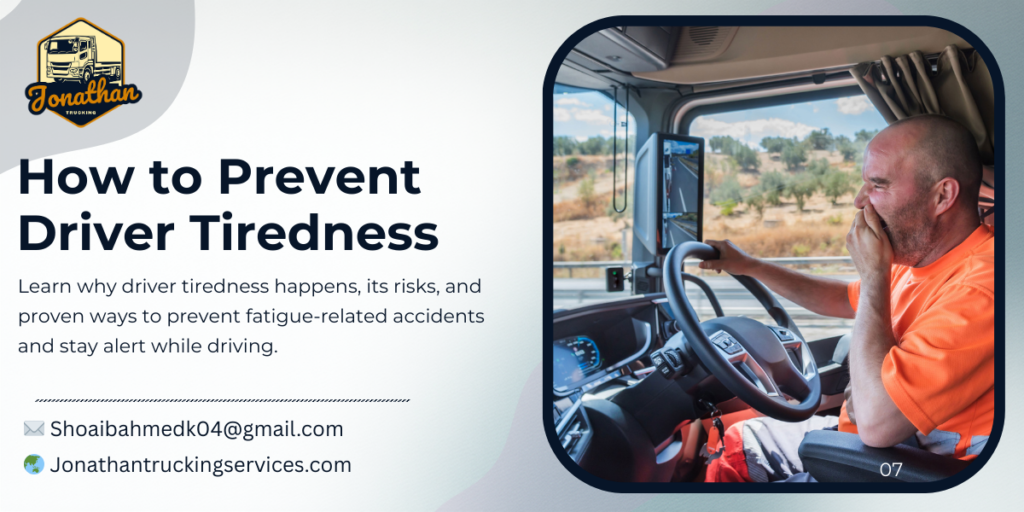
Driver tiredness is one of the most underestimated risks on the road. Many people think fatigue only matters on long highway trips, but it can affect short drives too. When the body is tired, reaction time slows, focus drops, and decision-making suffers. This makes tired driving just as dangerous as distracted or impaired driving.
Fatigue-related accidents happen every day. They are often severe because tired drivers fail to brake or react in time. Understanding why tiredness happens and how to prevent it is critical for safer driving. This guide explains the causes, risks, and practical ways to stay alert behind the wheel.
What Is Driver Tiredness?
Driver tiredness is a state of physical or mental exhaustion that reduces a driver’s ability to stay alert and react quickly. It can happen after poor sleep, long work hours, illness, or even stress.
Unlike alcohol or drugs, fatigue is harder to measure. Many drivers do not realize how tired they are until it is too late. That makes driver tiredness especially dangerous.
Why Is Driving So Tiring?
Driving demands constant attention. Your brain processes traffic signs, road conditions, speed, other vehicles, and navigation at the same time. Even when roads seem quiet, your mind stays active.
Several factors explain why driving feels exhausting:
- Sitting still for long periods reduces blood flow
- Repetitive road scenery causes mental fatigue
- Continuous focus strains the brain
- Poor posture leads to physical discomfort
Over time, this combination drains energy. That is why even experienced drivers can feel worn out after hours on the road.
Why Do I Get So Tired When I Drive?
Many drivers ask this question Why Do I Get So Tired When I Drive?, especially during long trips. The answer is usually a mix of lifestyle, sleep habits, and driving conditions.
Common causes include:
- Lack of quality sleep before driving
- Driving during natural sleep hours, such as late night or early morning
- Dehydration or poor nutrition
- Stress and mental overload
- Warm vehicle interiors that promote drowsiness
Driver tiredness does not always mean you did something wrong. Sometimes the body simply needs rest, and ignoring that signal increases risk.
Driving When Tired, Sick, or Medicated Causes Serious Risk
Driving while tired, sick, or medicated greatly increases accident risk. Illness weakens focus and slows reactions. Medications, even common ones, may cause drowsiness or dizziness.
When these factors combine with fatigue, the danger multiplies. A tired driver may:
- Drift out of their lane
- Miss traffic signals
- React too slowly to sudden stops
- Fall into brief “micro-sleeps”
Micro-sleeps last only a few seconds, but at highway speeds, that is enough to travel the length of a football field without control. Driver tiredness is especially dangerous because these lapses happen without warning.
Sleep During Driving: A Silent Threat
Falling asleep while driving is one of the most severe outcomes of fatigue. It rarely happens suddenly. Most drivers experience warning signs first.
These include:
- Heavy eyelids
- Frequent yawning
- Trouble keeping eyes open
- Missing exits or road signs
- Drifting between lanes
Ignoring these signs often leads to sleep during driving, which almost always ends in loss of control. No amount of experience can overcome the body’s need for rest.
On Long Trips, You Can Prevent Drowsiness By Planning Ahead
Long trips demand preparation. Many fatigue-related accidents happen because drivers underestimate how tiring extended driving can be.
To reduce driver tiredness on long journeys:
- Get at least seven to eight hours of sleep before departure
- Plan regular breaks every two hours
- Avoid driving late at night when alertness drops naturally
- Share driving duties if possible
Planning rest stops ahead of time reduces pressure to “push through” fatigue, which is a common cause of accidents.
The Best Remedy for Driving Fatigue Is Proper Rest
No trick or stimulant can replace sleep. The best remedy for driving fatigue is stopping to rest. Short naps, even 15 to 30 minutes, can restore alertness temporarily.
Other methods like caffeine or fresh air may help briefly, but they do not solve the root problem. If you are already tired, these measures only delay the inevitable.
True prevention of driver tiredness starts before the trip, not during it.
How Sleep Quality Affects Driving Performance
Sleep is not just about hours spent in bed. Quality matters.
Poor sleep caused by stress, sleep disorders, or irregular schedules reduces alertness even if total sleep time seems adequate. Conditions like sleep apnea are especially dangerous for drivers because they cause repeated nighttime awakenings.
Drivers who feel tired despite sleeping enough should consider medical advice. Treating sleep issues can significantly reduce fatigue-related risks.
The Role of Diet and Hydration
What you eat and drink affects energy levels. Heavy meals before driving can cause sluggishness. Dehydration can lead to headaches and reduced focus.
To manage driver tiredness:
- Eat light, balanced meals
- Avoid excessive sugar
- Drink water regularly
- Limit alcohol entirely before driving
Small choices like these support steady energy during trips.
How Medications Contribute to Fatigue
Many drivers overlook medication side effects. Antihistamines, pain relievers, muscle relaxants, and some cold medicines can cause drowsiness.
Always read labels before driving. If a medication warns against operating machinery, driving should be avoided. Combining medication effects with fatigue increases the risk of accidents significantly.
Warning Signs You Should Stop Driving
Recognizing fatigue early can save lives. You should stop driving if you notice:
- Trouble focusing on the road
- Repeated yawning
- Heavy or burning eyes
- Irritability or restlessness
- Difficulty remembering the last few miles
These signs indicate growing driver tiredness. Continuing to drive at this point is unsafe.
Effective Break Strategies That Actually Work
Not all breaks are equal. Simply stopping for fuel may not restore alertness.
Effective breaks include:
- Short naps
- Walking to increase circulation
- Stretching muscles
- Drinking water
These actions help the body reset. Sitting in the car scrolling on a phone does little to reduce fatigue.
Why Experience Does Not Eliminate Fatigue
Some drivers believe experience makes them immune to tiredness. This is not true. Even professional drivers face fatigue-related risks.
Experience helps recognize warning signs, but it cannot override biological limits. Driver tiredness affects everyone, regardless of skill or confidence.
Accepting this fact leads to safer decisions.
Fatigue vs. Distraction: A Dangerous Combination
Fatigue often leads to distraction. A tired mind wanders more easily, increasing the chance of missed hazards.
Using phones, adjusting controls, or daydreaming while tired compounds risk. Reducing distractions is especially important when energy levels are low.
Long-Term Habits to Reduce Driver Tiredness
Preventing fatigue is not just about individual trips. Long-term habits matter.
Healthy routines include:
- Consistent sleep schedules
- Regular exercise
- Managing stress
- Avoiding excessive overtime driving
Drivers who prioritize health experience fewer fatigue-related issues and maintain better focus on the road.
Technology and Fatigue Awareness
Modern vehicles offer features like lane departure warnings and driver alert systems. These tools can help, but they are not substitutes for rest.
Technology may warn you when fatigue shows, but it cannot keep you awake. The responsibility still rests with the driver to act on warning signs.
The Real Cost of Fatigue-Related Accidents
Fatigue-related crashes often involve high speeds and delayed reactions. This leads to severe injuries and fatalities.
Beyond physical harm, these accidents carry emotional, legal, and financial consequences. Many could be prevented by addressing driver tiredness early.
Understanding the stakes helps drivers take fatigue seriously.
Conclusion
Driver tiredness is a serious and common road safety issue. It affects reaction time, judgment, and awareness, often without clear warning. Driving when tired, sick, or medicated greatly increases accident risk, and no amount of skill can fully compensate.
The best remedy for driving fatigue is rest. Planning ahead, recognizing warning signs, and making health a priority are the most effective ways to prevent fatigue-related accidents. By respecting the body’s limits, drivers protect not only themselves but everyone on the road.